How Much Does Roof Leak Repair Cost in the Bay Area? (2026)
Most Bay Area homeowners pay between $600 and $2,500 to fix a typical roof leak in 2026. A failed pipe boot or a few lifted shingles sits at the low end, while leaks at valleys, chimneys, skylights, or flat-roof seams that have already soaked the decking land at the high end. Your actual roof leak repair cost depends on where the water is getting in, what your roof is made of, and how long the leak has been running before anyone caught it.
Most leaks around San Jose and the Peninsula show up with the first heavy storms of the wet season. This guide breaks down 2026 prices by leak source and roof type, explains when an active leak needs emergency tarping, and shows where repair stops making financial sense and replacement starts to.
Key Takeaways
- Simple leaks such as a cracked pipe boot or a few missing shingles typically cost $600 to $1,200 to repair on a Bay Area home.
- Flashing, valley, chimney, and skylight leaks usually run $900 to $2,500 because the repair has to rebuild the water path, not just seal over it.
- Emergency tarping for an active leak during a storm usually costs $300 to $900 and buys time until a permanent repair can be made in dry weather.
- Once a roof is near the end of its life or leaks in several places, repair money is often better spent toward a replacement.
What Is the Average Roof Leak Repair Cost in the Bay Area?
Price follows the leak source more than anything else. A leak at a single pipe boot is a short, contained job. A leak where a roof plane meets a wall or chimney means removing roofing around the joint, replacing step and counter flashing, and re-integrating the underlayment so water sheds correctly. The table below reflects typical 2026 ranges our crews see on homes across Santa Clara County and the Peninsula.
| Leak Source | Typical Bay Area Cost (2026) |
|---|---|
| Cracked or failed pipe boot | $600 – $900 |
| Missing or lifted shingles (small area) | $600 – $1,200 |
| Wall or step flashing | $900 – $2,000 |
| Roof valley | $1,000 – $2,500 |
| Chimney flashing and cricket work | $1,200 – $2,500 |
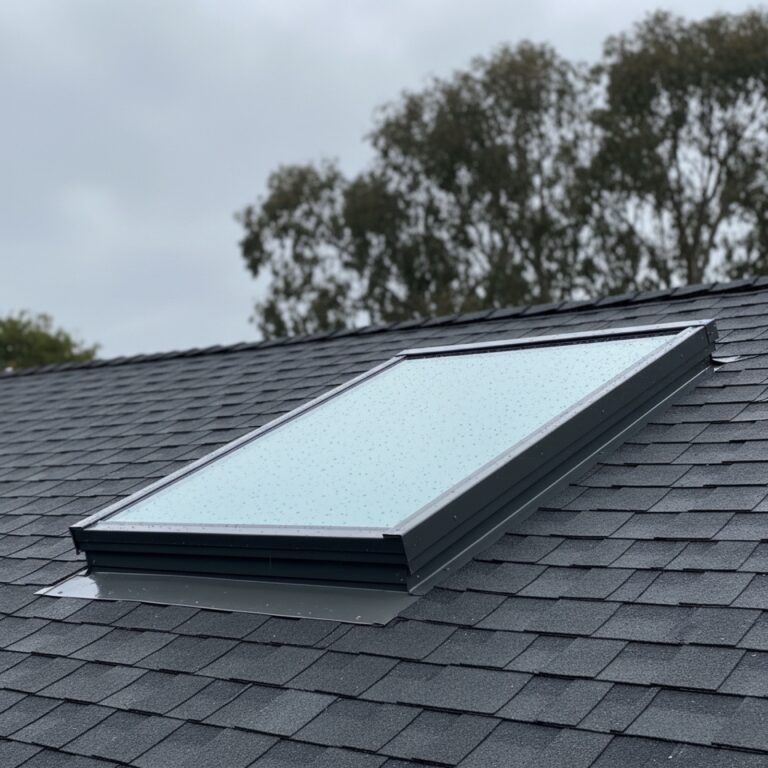
| Skylight curb or flashing | $900 – $2,500 |
| Flat roof seam or blister | $700 – $2,200 |
| Decking replacement after long-term leaking | $1,500 – $4,500 |
These are planning ranges, not quotes. Our residential roof repair services start with a documented inspection so the estimate reflects what is actually happening on your roof rather than a guess from the driveway.
What Affects the Cost to Repair a Roof Leak?
The cost to repair a roof leak on two similar houses can differ by more than a thousand dollars. These are the factors that move the number most on Bay Area homes:
- Where the water enters. Penetrations and field shingles are quick fixes. Valleys, chimneys, and wall intersections take more labor because the flashing has to be rebuilt in layers.
- Roof material. Asphalt shingles are the most affordable to repair. Clay and concrete tile cost more because tiles must be lifted and reset carefully to reach the underlayment, and broken tiles need matching replacements.
- How long the leak has been active. A fresh leak may need only flashing work. A leak that has been running all winter often means soft decking, wet insulation, and drywall repair inside.
- Roof height and pitch. Steep or two-story roofs require more safety setup and slow the work down.
- Permit and code items. Larger repairs that become partial re-roofs can trigger permit requirements in cities like San Jose and Cupertino, which adds time and cost.
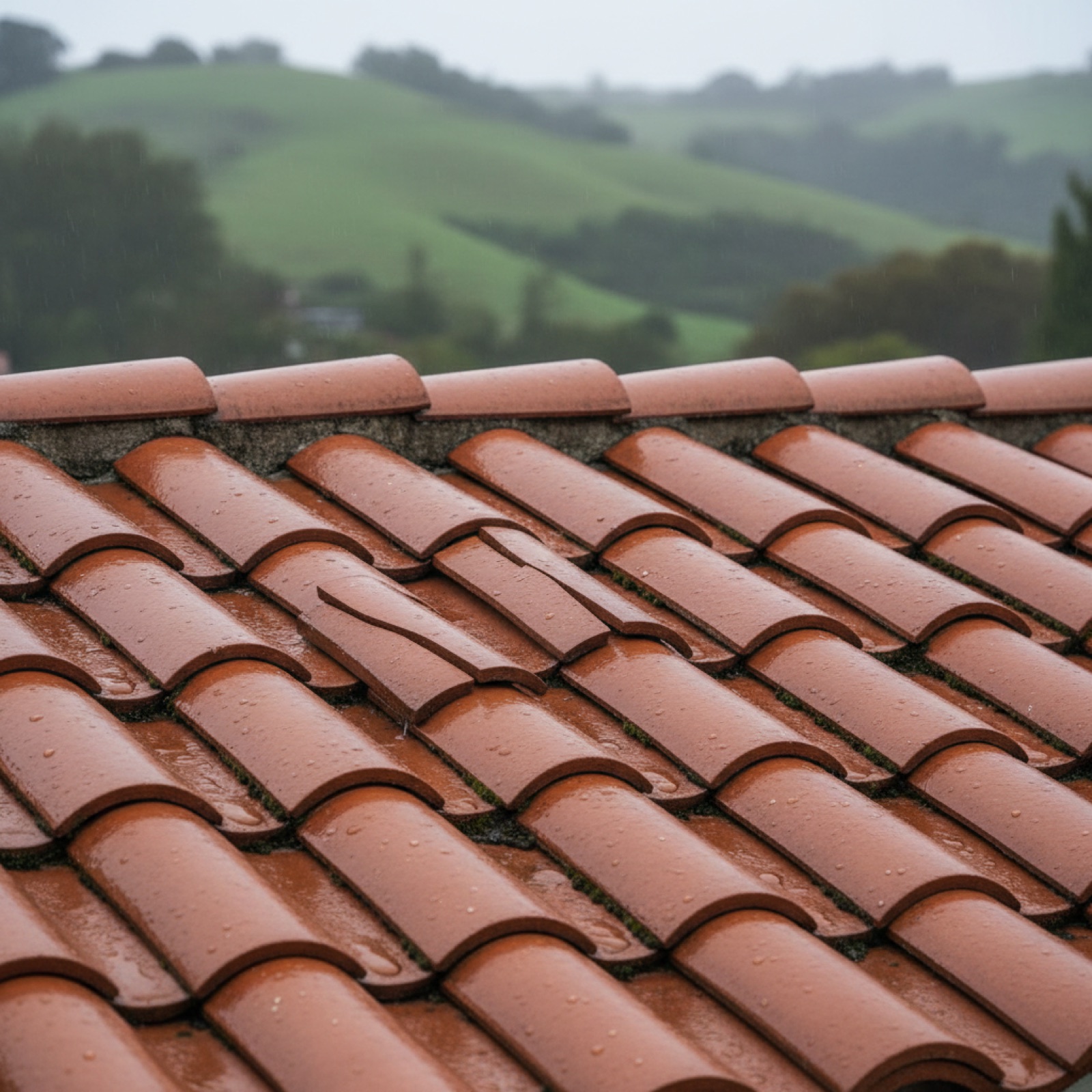
Material deserves a closer look, because the Bay Area has a wide mix of roof types. Tile roofs are common on Spanish and Mediterranean homes from Los Gatos to Fremont, and leaks there usually come from cracked tiles or underlayment that has aged out underneath intact-looking tile. Our tile roofing services cover that underlayment-level repair.
How Much Does It Cost to Fix a Roof Leak on a Flat or Tile Roof?
Flat and low-slope roofs on Eichler homes and modern additions behave differently from pitched roofs. Water does not shed quickly, so small seam failures, blisters, and clogged scuppers turn into leaks fast. Most flat-roof leak repairs fall between $700 and $2,200 when the membrane is otherwise sound. If the membrane is cracked across large areas or has been patched many times, re-covering the section is often the better value. Our flat roofing team can tell you which situation you are in.
Tile roofs are their own category. The tiles themselves can last decades, but the underlayment beneath them typically wears out much sooner. When a tile roof leaks, the real repair is often lifting a section of tile, replacing the underlayment, and resetting the tile. That is why tile repairs sit at the higher end of the range even when only a few tiles look damaged from the ground.
So how much does it cost to fix a roof leak on these roofs in practice? Plan on the upper half of the ranges in the table above, and expect the estimate to include some contingency for what is found once the area is opened up.
When Do You Need Emergency Roof Leak Repair?
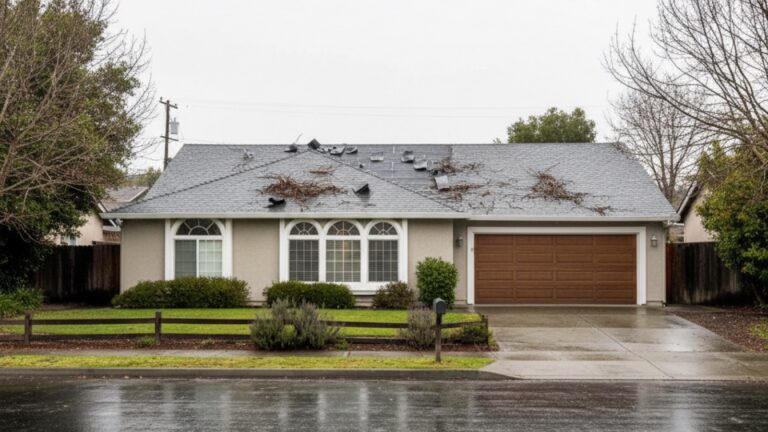
You need emergency roof leak repair when water is actively entering the house during a storm, especially near electrical fixtures, or when a section of roofing has blown off and exposed the underlayment or decking. Bay Area storms often arrive as atmospheric rivers, long plumes of Pacific moisture that can stall over the region and drop heavy rain for days. The National Oceanic and Atmospheric Administration explains how atmospheric rivers form and why they bring such concentrated rainfall to the West Coast. A small leak can become a ceiling collapse under that kind of sustained rain.
In an active-leak situation, the priority is stopping the water first and making the permanent repair once the roof is dry. Our immediate leak repair service handles source diagnosis and temporary patching. When the damaged area is too large for a patch, emergency roof tarping typically runs $300 to $900 and protects the house until conditions allow a proper fix.
While you wait for help, move valuables away from the drip, catch water in buckets, and if a ceiling is bulging, a small hole at the lowest point can relieve the pressure in a controlled way. Never climb onto a wet roof yourself.
Repair or Replace: When Does a Leaking Roof Need More Than a Patch?
Repair is the right call for most leaks on roofs with plenty of life left. Replacement starts to make more sense when the problem is the whole roof rather than one spot. Watch for these signs:
- The roof is near or past its expected lifespan and shows widespread granule loss, curling, or brittle shingles.
- You have had multiple leaks in different areas over the last two or three years.
- The decking is soft in several places when walked or inspected from the attic.
- Repair estimates are climbing toward a meaningful share of a new roof’s cost.
A useful rule of thumb: if you would spend more than about a third of a replacement’s cost on repairs in the next few years, put that money toward the new roof instead. Homeowners near our Cupertino roofing crews see this often on 1960s and 1970s homes where the original framing is sound but the second or third roof has reached the end of its life.
What Does the Roof Leak Repair Process Look Like?
Every First Tier Exterior leak repair follows the same five-step process, adapted to the fact that water is the enemy and time matters:
- Free inspection. We trace the leak to its actual entry point, which is often several feet uphill from the ceiling stain, and document it with photos.
- Proposal. You get an itemized quote that separates temporary protection from the permanent repair, so you know exactly what you are paying for.
- Scheduling. Active leaks get priority, and the permanent repair is confirmed in writing for the first workable dry window.
- Installation. Our in-house crew rebuilds the flashing, underlayment, or roofing at the source rather than smearing sealant over the symptom.
- Walkthrough. We review the finished work with you, including photos of anything that was concealed once the roofing went back on.
Because we never subcontract, the person who diagnosed the leak is working with the crew that fixes it, which cuts down on the “fixed it, still leaks” callbacks common with quick patch jobs.
How Do You Choose a Roofer for a Leak Repair in the Bay Area?
Start by confirming the contractor holds an active California license. The Contractors State License Board license lookup shows license status, classifications, and any complaints. First Tier Exterior operates under CSLB license 1093320.
Beyond the license, look for a roofer who explains where the water is getting in and why, not one who quotes a number before going into the attic. Ask whether the repair includes new flashing or only sealant, whether the work carries a written warranty, and who will actually be on your roof. Manufacturer credentials also matter, since certified contractors are trained on the installation details that prevent leaks in the first place. First Tier Exterior is a GAF Master Elite Roof Contractor and CertainTeed ShingleMaster PRO, and the same in-house crew handles homes from San Jose up the Peninsula to our Redwood City roofing customers.
If your roof leak repair cost estimate comes back far below everyone else’s, ask what is left out. The cheapest bids usually skip flashing replacement, which is exactly where most leaks start.
Roof Leak Repair Cost FAQs for Bay Area Homeowners
These are the questions Bay Area homeowners ask us most often when a leak shows up during the rainy season.